

PLAYROOM'26 - Cabinetry and Children’s Playrooms in Interior Architecture: Haus am Horn; The House in the Museum Garden; Replay or Re-Design; “form follows available matter“; Dialogue with AI
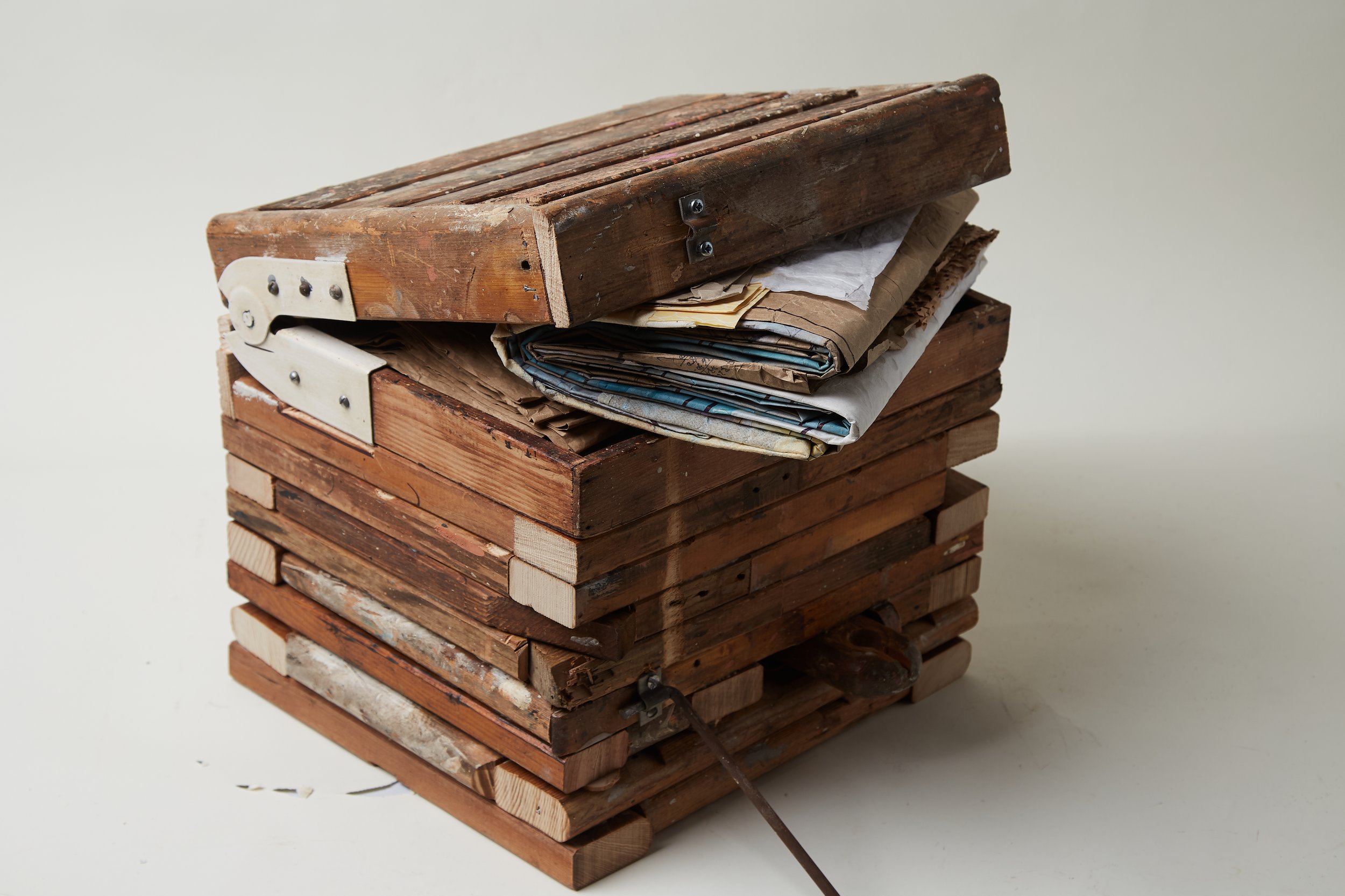
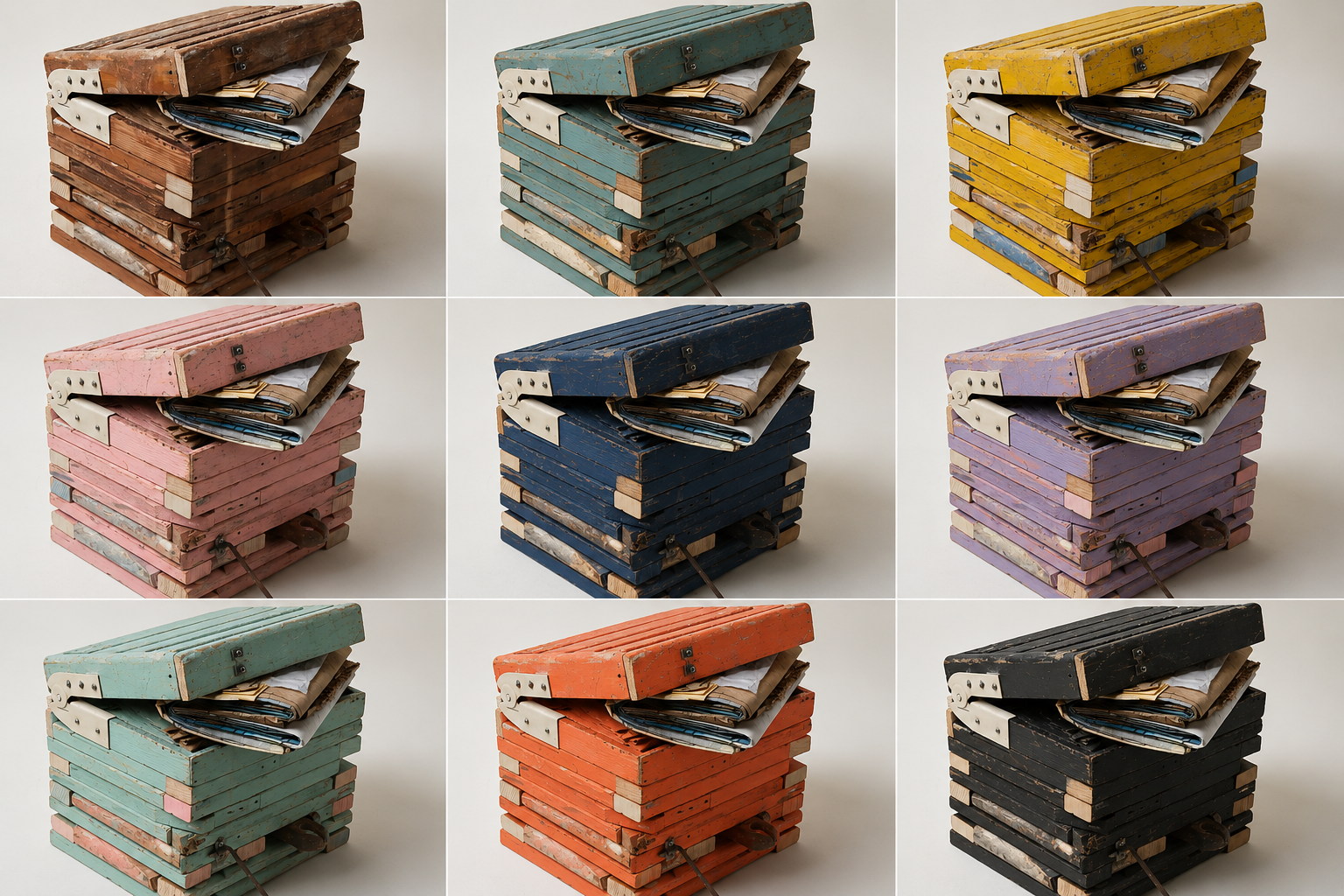
Bento, C. (2025). From ladder to box [Repurposed timber artefact]. Unpublished work. (…the entire ladder was repurposed, reusing its timber, screws, nails, hinges, and structural components…)
The intention of this investigation is not to establish contemporary best-practice models for child-friendly interiors, nor to engage directly with discussions surrounding gender-neutral environments, nor with the politics of children’s design.
Instead, the study focuses on the spatial and architectural role of cabinetry in two exhibition-based domestic interiors: the children’s room designed by Alma Siedhoff-Buscher for Haus am Horn (1923) and the children’s playroom in The House in the Museum Garden exhibition in New York City (1949).
The research examines how cabinetry operated as an architectural system through which play, storage, movement, supervision, and domestic organisation were structured within modern interiors.
This will be a dissertation experimentation, a re-design or re-play of the cabinetry systems based on research into both playrooms and a dialogue with AI to test alternative spatial, material, and design outcomes. Through this process, I will explore how modernist cabinetry systems may be reinterpreted.
MA Interior Architecture / September 2026